.png)


Bulk Fibre: Versatile High-Temperature Insulation Material for Industrial Applications

In modern high-temperature industries, insulation materials must offer flexibility, durability, and consistent thermal performance. Bulk Fibre is a widely used insulation solution that meets these demands by providing adaptable, high-purity ceramic fiber insulation for extreme heat environments.
Due to its loose and flexible form, Bulk Fibre is especially valuable in applications where traditional rigid or blanket insulation materials are not suitable.
What Is Bulk Fibre?
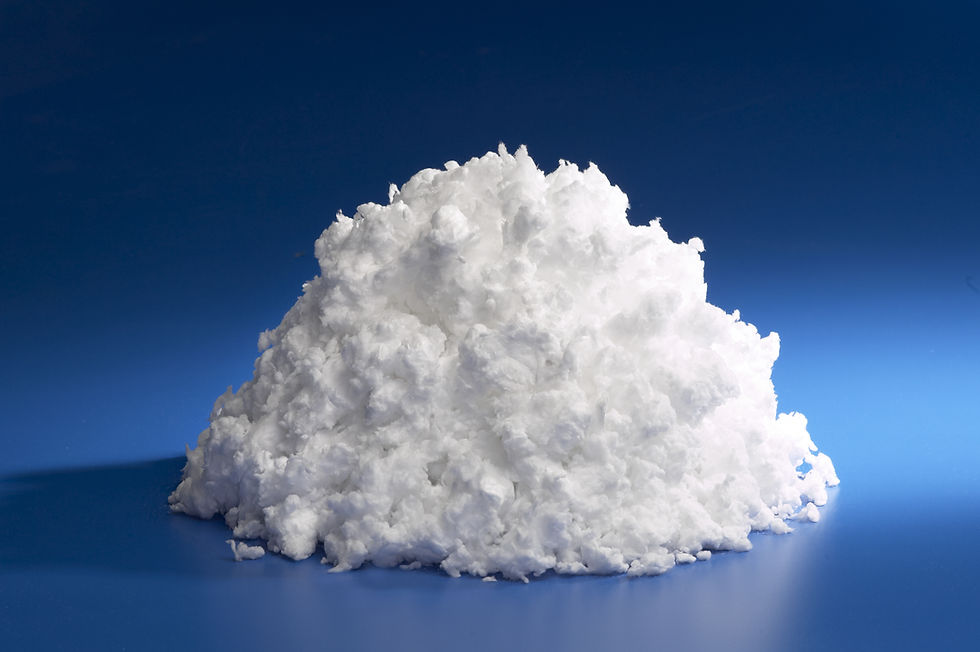
Bulk Fibre is a loose ceramic fiber insulation material produced from high-purity alumina–silica fibers. Unlike blankets or boards, Bulk Fibre is supplied in an uncompressed, fluffy form, allowing it to be shaped, packed, or molded according to specific insulation requirements.
It serves as both a standalone insulation material and a raw input for manufacturing ceramic fiber blankets, boards, papers, textiles, and modules.
Key Features of Bulk Fibre
1. High-Temperature Resistance
Bulk Fibre maintains its insulating properties even at extremely high temperatures, commonly up to 1260°C, 1350°C, or higher, depending on the grade.
2. Low Thermal Conductivity
Effectively minimizes heat transfer, improving energy efficiency and reducing heat loss.
3. Lightweight and Flexible
Easy to handle, shape, and apply in complex or irregular spaces.
4. Excellent Thermal Shock Resistance
Performs reliably under rapid heating and cooling cycles.
5. Chemical Stability
Resistant to most industrial chemicals except strong alkalis and hydrofluoric acid.
Applications of Bulk Fibre
Bulk Fibre is widely used across multiple industries:
✔ Expansion Joint Packing
Ideal for filling gaps and accommodating thermal movement.
✔ Furnace and Kiln Repairs
Used for quick repairs and insulation patching.
✔ Backup Insulation
Provides secondary insulation behind refractory linings.
✔ Custom Insulation Shapes
Can be molded or vacuum-formed into special components.
✔ Raw Material for Fiber Products
Used in the manufacturing of ceramic fiber blankets, boards, papers, and modules.
Advantages of Using Bulk Fibre
1. Maximum Adaptability
Perfect for irregular or confined spaces where rigid insulation cannot be applied.
2. Improved Energy Efficiency
Reduces heat loss, leading to lower fuel and operational costs.
3. Easy Installation and Maintenance
Requires minimal tools and allows quick application during maintenance shutdowns.
4. Long Service Life
Withstands thermal cycling, mechanical stress, and harsh industrial conditions.
5. Cost-Effective Insulation
Offers excellent thermal performance at a competitive cost.
Installation & Handling Considerations
For best results:
Use protective gear during handling
Ensure proper packing density
Avoid over-compression
Select appropriate temperature grade
Proper installation ensures optimal insulation efficiency and long-term performance.
Why Choose Bulk Fibre for Industrial Insulation?
Bulk Fibre offers unmatched flexibility and thermal performance, making it an essential insulation solution for industries requiring customized or quick insulation solutions. Its adaptability, durability, and efficiency make it a preferred choice for furnace maintenance and specialized thermal applications.
Conclusion
Bulk Fibre is a highly versatile insulation material designed to meet the demanding requirements of high-temperature industries. Whether used for gap filling, repairs, or as a base material for other ceramic fiber products, Bulk Fibre delivers reliable performance and energy efficiency. Contact Us Now!
Frequently Asked Questions (FAQs)
What is Bulk Fibre?
Bulk Fibre is a loose, high-temperature ceramic fiber insulation material made from alumina–silica fibers. It is used for insulation, expansion joint packing, gap filling, and as a raw material for manufacturing ceramic fiber products.
What temperature can Bulk Fibre withstand?
Bulk Fibre is available in various grades and can typically withstand temperatures up to 1260°C, 1350°C, and higher, depending on the specific product grade.
Where is Bulk Fibre commonly used?
Bulk Fibre is commonly used in:
Expansion joints
Furnace and kiln repairs
Backup insulation systems
Gap filling and sealing
Manufacturing ceramic fiber blankets, boards, and modules
What are the main advantages of Bulk Fibre?
Key benefits include:
Excellent thermal insulation
High flexibility and adaptability
Lightweight and easy to apply
Resistance to thermal shock
Cost-effective insulation solution
Is Bulk Fibre safe to handle?
Yes, Bulk Fibre is safe to handle when proper safety measures are followed. It is recommended to use gloves, masks, and protective clothing to prevent skin and respiratory irritation.